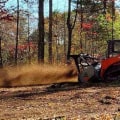
Forestry mulching is often recognized as an efficient method for clearing overgrown vegetation, managing invasive plant species, and preparing land for future development, but its connection to site engineering is rarely given the attention it deserves. While many people view forestry mulching as a standalone land-clearing service, it actually plays an important role in supporting successful site preparation, environmental management, and long-term project performance. Before roads, buildings, utility systems, or recreational spaces can be developed, the condition of the land must first be carefully evaluated and managed. Forestry mulching provides an effective way to remove unwanted brush, small trees, and dense undergrowth while preserving valuable topsoil and minimizing disruption to the surrounding environment. Unlike traditional clearing methods that often require hauling debris away or burning vegetation, forestry mulching converts organic material into mulch that remains on the site, helping protect the soil and reduce erosion. This process creates a cleaner, more stable foundation upon which engineers, contractors, and developers can begin the next phases of construction with greater confidence.
How Forestry Mulching Supports Site Engineering
The relationship between forestry mulching and site engineering becomes especially valuable during the early planning stages of a development project. Engineers rely on accurate surveys, soil evaluations, drainage assessments, and topographic measurements to create safe and functional site designs. Excessive vegetation can limit access, obscure important terrain features, and delay these assessments. By selectively clearing vegetation without causing unnecessary soil disturbance, forestry mulching improves accessibility while maintaining much of the land's natural integrity. This allows engineers to obtain more accurate site information that supports informed decisions regarding grading, stormwater management, utility placement, and foundation design. Companies such as Open Concept Engineering often recognize that effective site preparation extends beyond structural calculations and technical drawings. Proper land management before construction begins contributes to smoother project execution, reduces unexpected site complications, and creates better conditions for implementing engineered solutions.
Environmental Benefits That Improve Project Outcomes
One of the least discussed advantages of combining forestry mulching with thoughtful site engineering is the positive environmental impact. The layer of mulch left behind after clearing helps retain soil moisture, regulate ground temperature, suppress weed growth, and reduce erosion caused by rainfall or wind. These benefits help stabilize disturbed areas before permanent drainage systems or landscaping are installed. Maintaining soil stability is particularly important on sloped properties or sites located near waterways, where sediment runoff can create environmental concerns and regulatory challenges. Forestry mulching also reduces the need for large-scale excavation during initial clearing, preserving root systems of desirable trees and minimizing unnecessary disruption to existing ecosystems. When site engineers incorporate these environmental factors into project planning, they can design infrastructure that works with the natural characteristics of the property rather than requiring extensive corrective measures later in construction. This collaborative approach often results in more sustainable developments that balance functionality with environmental stewardship.
Building Smarter Projects from the Ground Up
Successful construction projects begin long before foundations are poured or utilities are installed. Careful coordination between land-clearing professionals and site engineers helps establish a stable, accessible, and environmentally responsible starting point for every phase of development. Forestry mulching not only accelerates access to the site but also supports safer working conditions, improves visibility for surveying, and preserves natural resources that contribute to long-term landscape health. As projects become increasingly focused on sustainability and efficient resource management, recognizing the connection between forestry mulching and site engineering becomes even more important. Property owners, developers, and contractors who invest time in comprehensive site preparation often experience fewer construction delays, lower maintenance costs, and improved long-term performance. Rather than viewing forestry mulching as a simple vegetation removal service, it should be considered an essential component of integrated site planning that complements engineering expertise and helps transform raw land into a safe, functional, and well-prepared environment for future development.