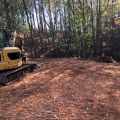
Forestry mulching is an efficient land-clearing method that transforms trees, brush, vines, and dense vegetation into nutrient-rich mulch without requiring extensive hauling or burning. Before the equipment arrives, however, proper land preparation is essential to ensure the project proceeds safely and efficiently. The first step is to thoroughly evaluate the property by identifying the areas that need clearing and determining which trees or vegetation should be preserved. Property owners should walk the site and mark valuable trees, landscaping features, utility boxes, fences, wells, and other structures that need protection during the mulching process. It is also important to identify steep slopes, wet areas, large rocks, and drainage channels that may affect equipment access or require special attention. A clear understanding of the site's layout allows forestry mulching professionals to develop an effective plan while minimizing disruption to desirable vegetation and surrounding property.
Remove Unnecessary Obstacles
Although forestry mulching equipment is designed to handle thick brush and small trees, removing unnecessary obstacles before work begins can improve efficiency and reduce equipment wear. Old fencing, scrap metal, abandoned machinery, construction debris, tires, and other non-organic materials should be cleared from the property whenever possible. These items cannot be processed by mulching equipment and may damage cutting components if left hidden beneath vegetation. If the property has accumulated a significant amount of debris over the years, arranging proper waste disposal ahead of time can help streamline the preparation process. Services such as MAC Dumpsters can provide a convenient solution for disposing of unwanted materials before forestry mulching begins, allowing contractors to focus entirely on clearing vegetation rather than stopping to remove unrelated debris from the work area.
Ensure Safe Access for Equipment
Forestry mulching machines are powerful pieces of equipment that require adequate access to the worksite. Property owners should ensure that entrance gates, driveways, and access roads are wide enough to accommodate the machinery. Low-hanging branches near entrances may need to be trimmed, and vehicles or other obstacles should be relocated before the scheduled work begins. If the property contains underground utilities such as water lines, gas lines, electrical cables, septic systems, or irrigation components, they should be clearly marked before equipment enters the site. Contacting the appropriate utility locating services before excavation or heavy equipment operation is an important safety measure that helps prevent accidental damage and costly repairs.
Establish Clear Project Goals
Every forestry mulching project serves a different purpose, making it important to communicate specific goals with the contractor before work starts. Some property owners may want to create space for new construction, while others are preparing land for agriculture, recreational trails, wildlife habitat improvement, or wildfire risk reduction. Clearly defining which vegetation should remain and which areas require complete clearing helps operators make informed decisions throughout the project. Discussing future land use also allows contractors to recommend the appropriate level of clearing and mulch distribution to support long-term property objectives. Open communication before work begins minimizes misunderstandings and ensures the finished results align with the owner's expectations.
Prepare for Long-Term Success
Proper preparation extends beyond simply clearing obstacles from the property. Landowners should also consider how the site will be maintained after forestry mulching is complete. Fresh mulch can help reduce erosion, retain soil moisture, suppress weed growth, and return valuable organic matter to the soil, making it beneficial to leave an appropriate mulch layer in many areas. After the project is finished, the property should be inspected for any remaining debris, and future maintenance plans should be established to prevent vegetation from becoming overgrown again. By carefully evaluating the site, removing unnecessary obstacles, ensuring safe equipment access, defining project objectives, and planning for ongoing land management, property owners can maximize the efficiency and effectiveness of forestry mulching while creating a cleaner, healthier, and more functional landscape for years to come.