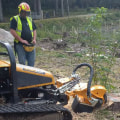
Forestry mulching is an efficient land-clearing method that grinds vegetation, brush, and small trees into mulch, leaving a protective layer over the soil. While this technique is highly effective for managing overgrowth and improving land usability, special considerations must be taken when working in areas with hidden wiring. Underground electrical lines, communication cables, and irrigation systems can be easily damaged if their locations are not properly identified before mulching begins. Understanding the layout of these systems is essential to ensuring that land-clearing efforts do not compromise critical infrastructure or create safety hazards.
Identifying and Protecting Hidden Wiring
Before any forestry mulching project begins, it is crucial to locate and mark all underground wiring and utilities. This process often involves consulting utility maps, using detection equipment, or coordinating with local service providers. Clearly marking these areas helps operators avoid direct contact with sensitive lines. In some cases, manual clearing may be required near high-risk zones to prevent accidental damage. Homeowners and property managers who want to read more about safe land-clearing practices often find that thorough preparation is the most effective way to minimize risks and ensure a successful outcome.
Adjusting Equipment and Techniques for Safety
Using the right equipment and techniques is another key factor in protecting hidden wiring during forestry mulching. Operators may need to adjust cutting depths and machine settings to avoid disturbing the soil where cables are buried. Lightweight or precision equipment can be used in areas where wiring is known to be shallow or particularly vulnerable. Additionally, maintaining a controlled and methodical approach to clearing helps reduce the likelihood of unexpected contact with underground systems. Proper training and awareness among operators further enhance safety and ensure that the work is carried out responsibly.
Managing Soil Conditions and Post-Mulching Care
Soil management plays an important role in maintaining the integrity of hidden wiring after mulching is complete. Excessive soil disturbance can expose or shift underground cables, increasing the risk of damage over time. Leaving a layer of mulch helps stabilize the soil, reduce erosion, and maintain consistent moisture levels. However, it is also important to monitor these areas regularly to ensure that mulch buildup does not create conditions that could affect wiring performance. Proper post-mulching care helps preserve both the landscape and the underlying infrastructure.
Long-Term Benefits of Careful Planning and Execution
Taking a cautious and well-planned approach to forestry mulching in areas with hidden wiring offers significant long-term benefits. By protecting underground systems, property owners can avoid costly repairs, prevent service disruptions, and maintain a safe environment. Additionally, careful execution ensures that the landscape remains functional and visually appealing without compromising essential utilities. Over time, integrating safety considerations into land management practices creates a more resilient property where natural and technical elements coexist effectively. Ultimately, understanding and addressing the challenges of hidden wiring allows forestry mulching to be performed safely and efficiently.